
The evolution of gambling A historical overview of азартні ігри
The Origins of Gambling
The practice of gambling can be traced back thousands of years to ancient civilizations. Archaeological evidence indicates that as early as 3000 BC, the Chinese were engaging in games of chance, utilizing rudimentary dice made from animal bones. Similarly, the Egyptians participated in various betting games, often tied to religious and cultural events, illustrating how gambling has been intertwined with human society since its inception. Today, many are drawn to engaging options, such as the chicken road game, which reflects this rich historical context.

As cultures evolved, so did gambling. The Greeks popularized betting on athletic competitions, particularly the Olympic Games, while the Romans expanded on this tradition with more formalized betting structures. These early forms of gambling laid the groundwork for the complex systems and games we see today, showcasing the universal appeal of risk and reward.
The Rise of Organized Gambling
With the fall of the Roman Empire, gambling experienced a decline in many parts of Europe. However, the Middle Ages saw a resurgence, primarily through the establishment of gaming houses and lotteries. These developments were often state-sponsored, reflecting a shift in how societies viewed gambling, from a social pastime to a potential source of revenue for governments.
The introduction of card games during the 14th century in Europe marked a significant turning point in the evolution of gambling. Games like poker and blackjack began to take shape, captivating players and leading to the establishment of casinos in the 17th century, particularly in Venice. This era solidified gambling as both a leisure activity and a significant economic enterprise.
The Modern Gambling Landscape
The 20th century brought about dramatic changes in the gambling industry, particularly with the advent of technology. The introduction of slot machines revolutionized gaming, providing a new form of entertainment that required no skill, making it accessible to a wider audience. Las Vegas emerged as a gambling capital, showcasing elaborate casinos that offered a variety of gaming options, ultimately influencing global gambling culture.
Online gambling took this evolution further, emerging in the late 1990s and quickly becoming a multi-billion dollar industry. Players could now engage in their favorite games from the comfort of their homes, with platforms offering everything from sports betting to virtual poker. This digital transformation has led to increased regulation and new forms of gambling, making it an ever-evolving landscape.
Cultural Perspectives on Gambling
Cultural attitudes towards gambling vary significantly around the world. In some societies, gambling is celebrated as a social activity, fostering community bonding and entertainment. For instance, in many Asian cultures, games of chance are often integrated into traditional festivals and celebrations, highlighting their importance in cultural heritage. The popularity of the chicken road game in various contexts further demonstrates how gambling can take on distinct cultural meanings.
Conversely, other cultures view gambling as morally questionable or harmful, leading to strict regulations or outright bans. These contrasting perspectives shape local gambling laws and influence how games are played and perceived. Understanding these cultural nuances is essential for appreciating the global evolution of gambling and its impact on society.
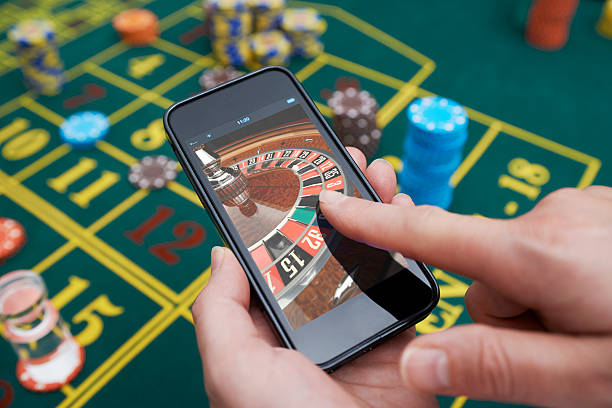
Exploring Gaming Platforms: A Modern Era
The rise of mobile gaming applications has transformed the gambling landscape in recent years. Platforms now offer various options for players, including engaging games like Chicken Road 2, which showcases a blend of fun and risk, allowing players to make quick decisions to maximize their winnings. This innovation exemplifies how traditional gambling concepts are evolving to meet modern demands.
As technology continues to advance, the potential for new gaming experiences is limitless. From virtual reality casinos to blockchain-based betting, the future of gambling promises to be both exciting and unpredictable, captivating new generations of players worldwide. The evolution of gambling reflects a broader shift in cultural attitudes and technological advancements, reinforcing its enduring appeal.